Sustainability • Circular Economy
Digitalizing African Thrift
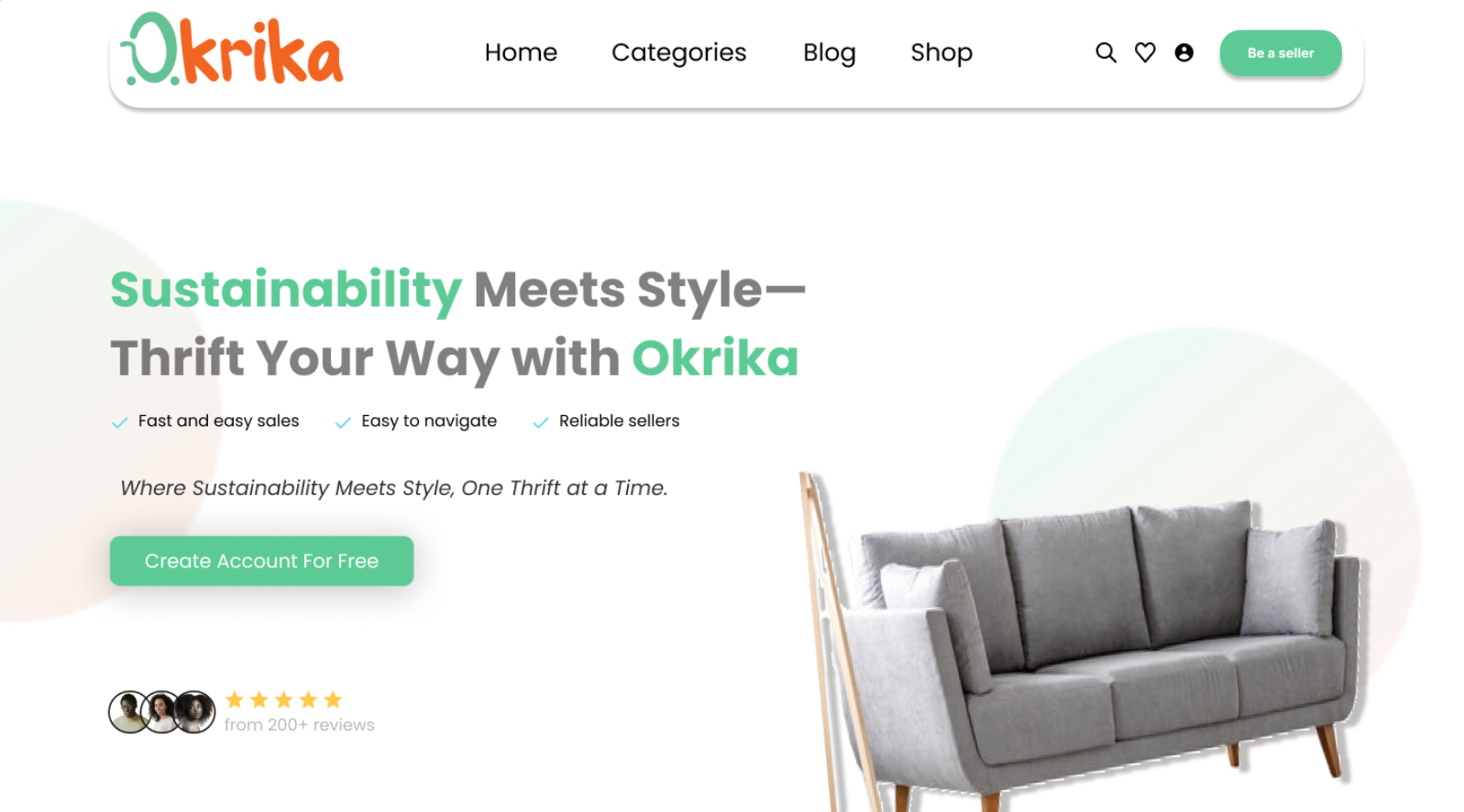
Okrika is a mobile-first marketplace redesigned to bridge the gap between quality thrift access and conscious consumption.
Okrika is a mobile-first marketplace redesigned to bridge the gap between quality thrift access and conscious consumption.
Most thrift shoppers spend hours navigating physical markets with no guarantee of quality. Digital alternatives lack verification, leading to high friction and low conversion rates.
Premium preloved items are concentrated in urban hubs, excluding 70% of the population from sustainable options.
Without standardized grading or seller verification, "online thrifting" is perceived as a gamble.
Increase in seller trust ratings within the first 3 months of implementation.
Reduction in the time between searching for an item and completing a purchase.
Projected target for "Verified Seller" retention over a 6-month period.
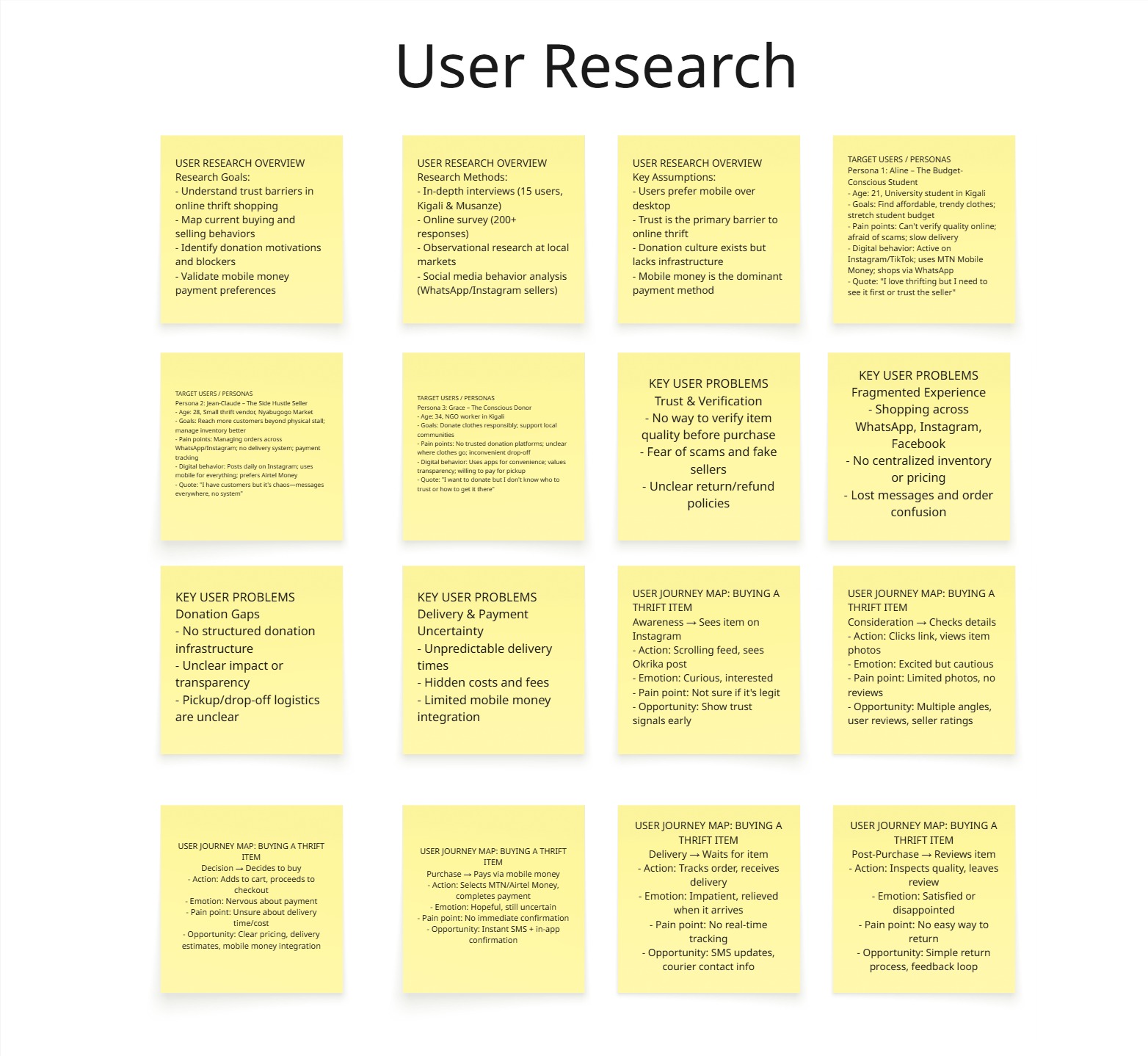
Research showed that users were willing to pay a premium for verified quality and easy logistics. This shifted our focus from a "listing site" to a "verified ecosystem."
Our hypothesis: by mandatory verification, we unlock latent demand for secondhand luxury that currently avoids unverified markets.
Conducting interviews to understand user behavior and localized frictions.
Robust verification early in the funnel ensures every seller meets quality standards.
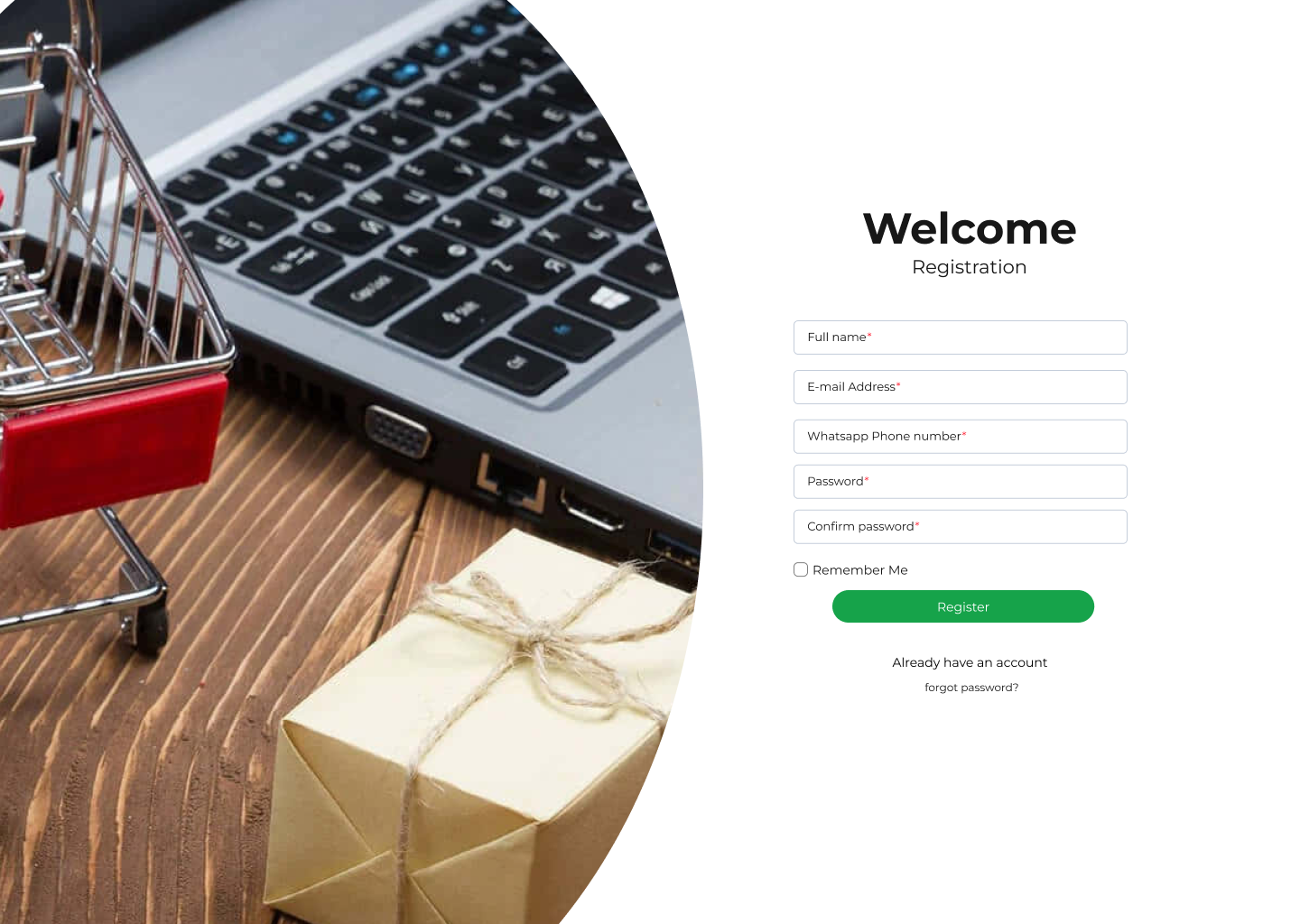
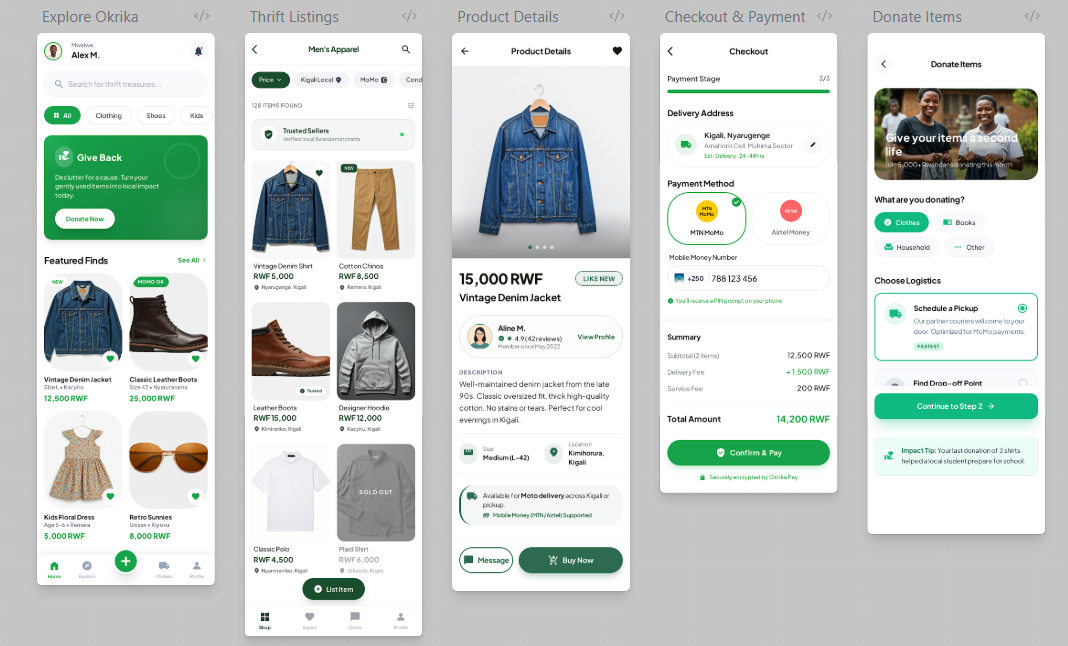
High-fidelity screens demonstrating clarity in condition grading and checkout flow.
"Sustainability fails when it's inconvenient. Our job was to make 'doing good' the easiest option on the screen."
Strategic Design PhilosophyExplore navigation accessibility with Smart Glasses or see how I designed the Fetch agent-native marketplace.